More content later in 2026!
What Terrathesis is about
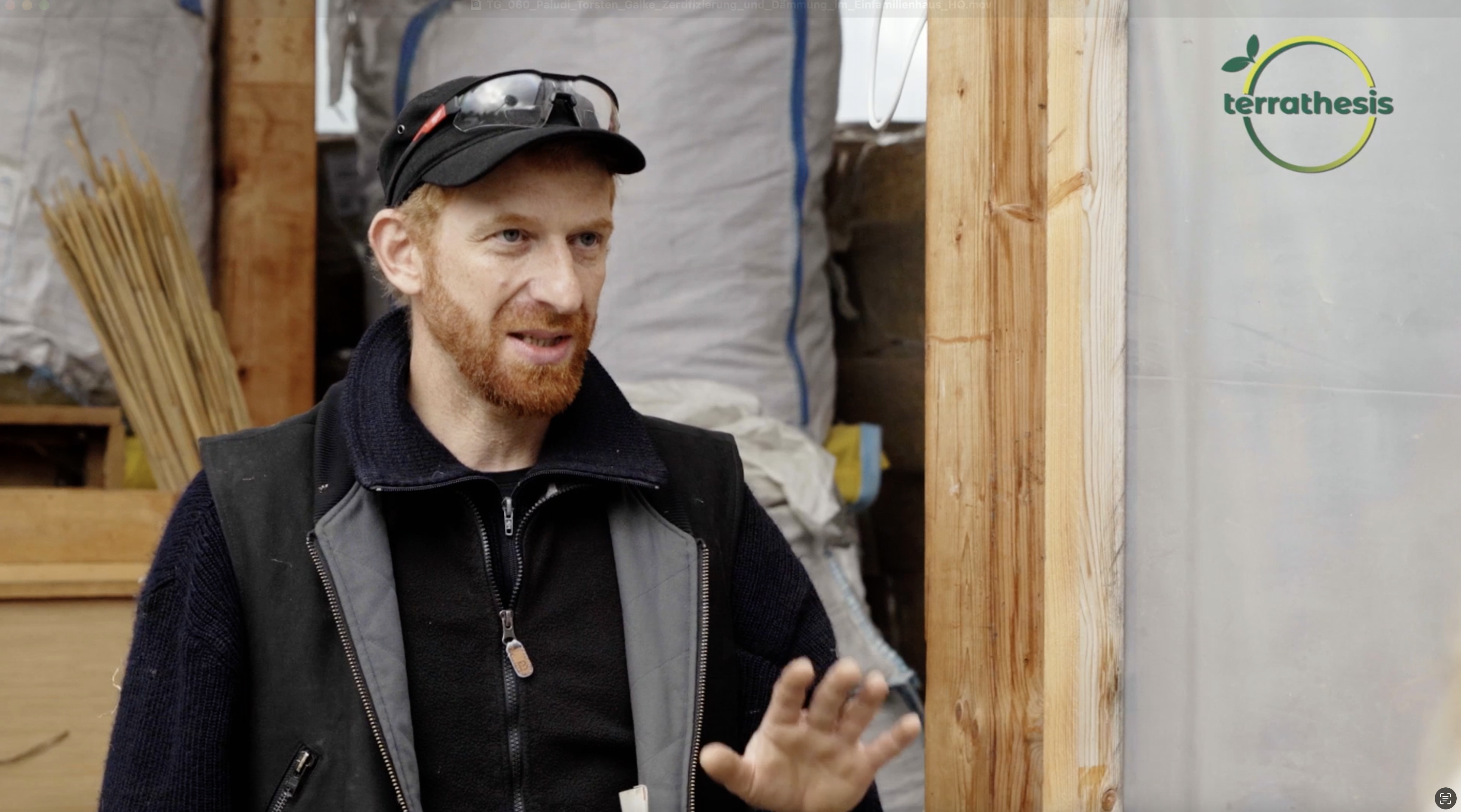
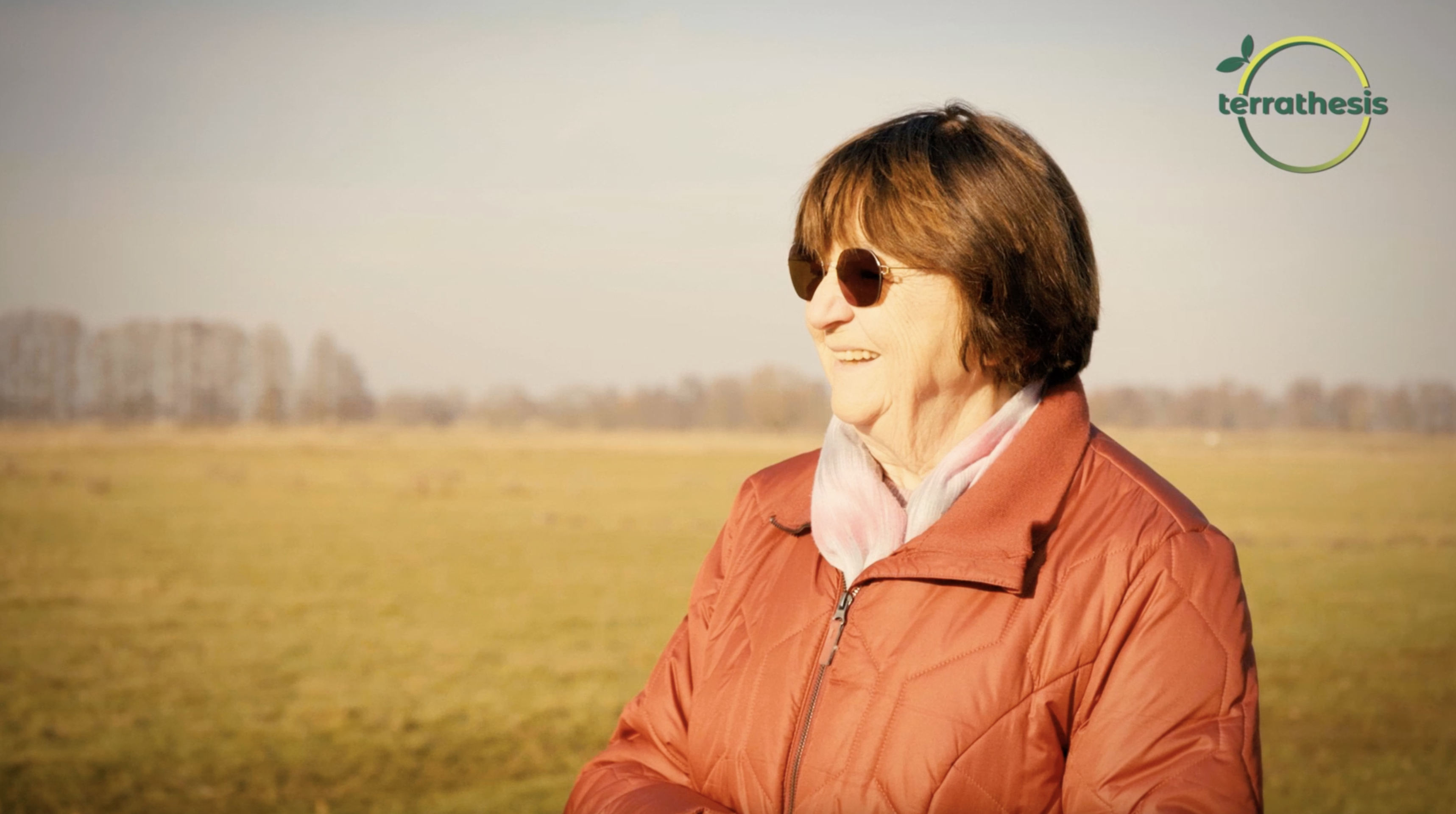
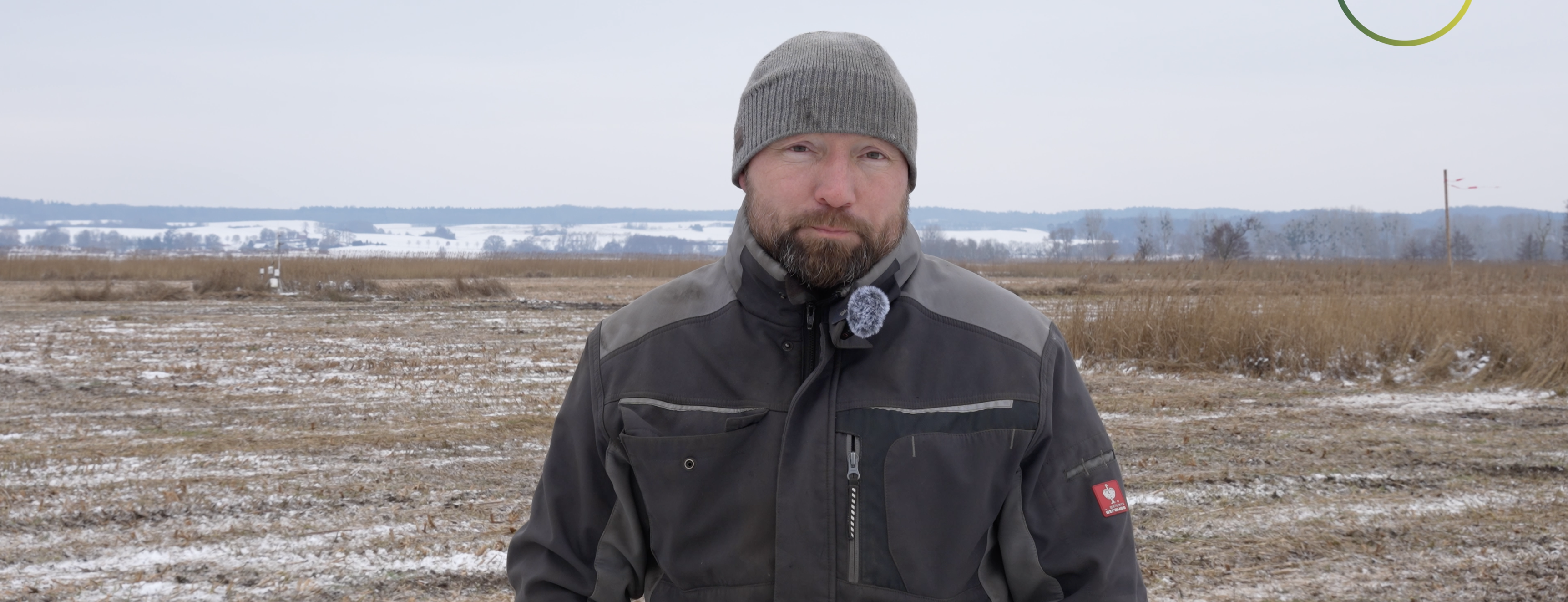
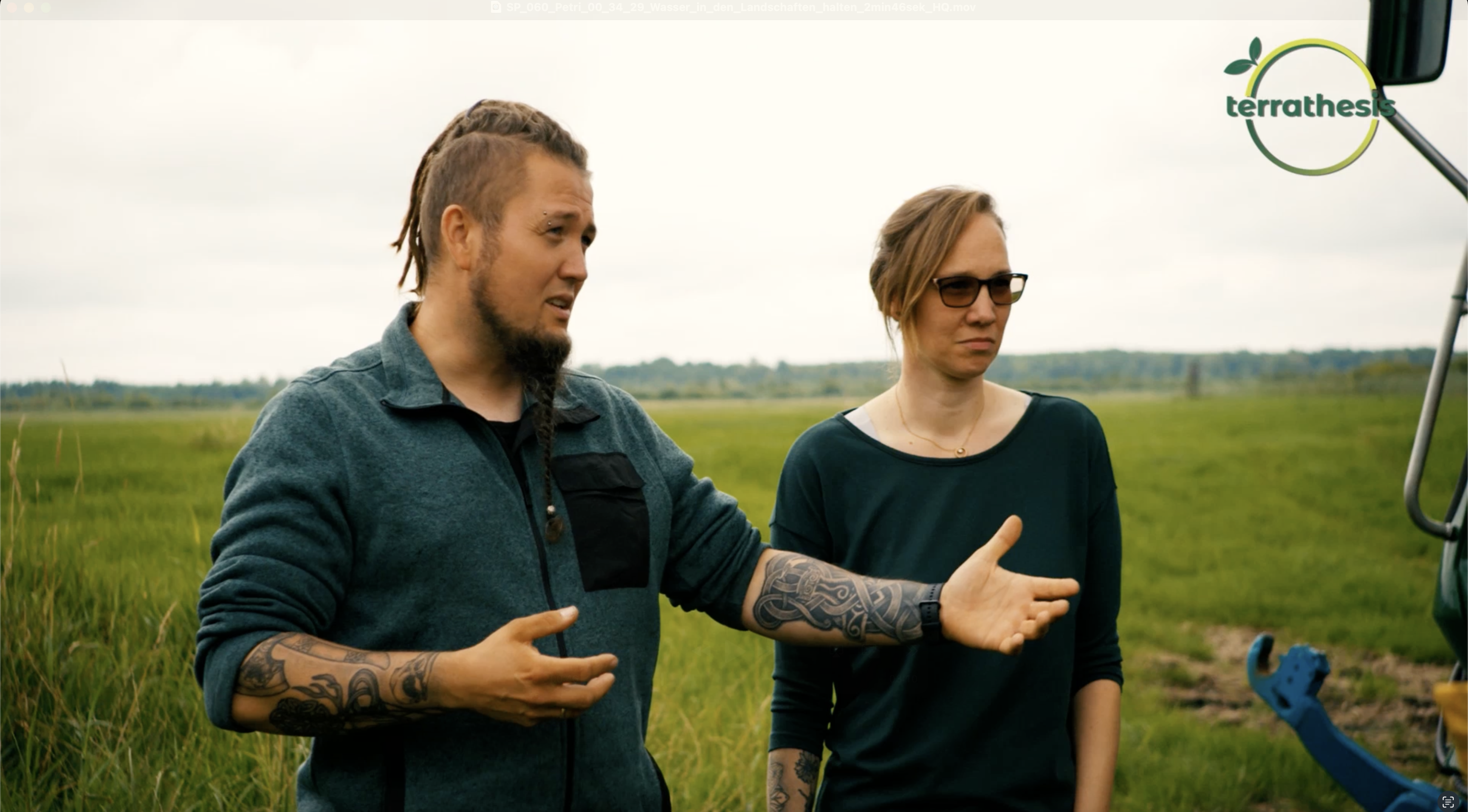
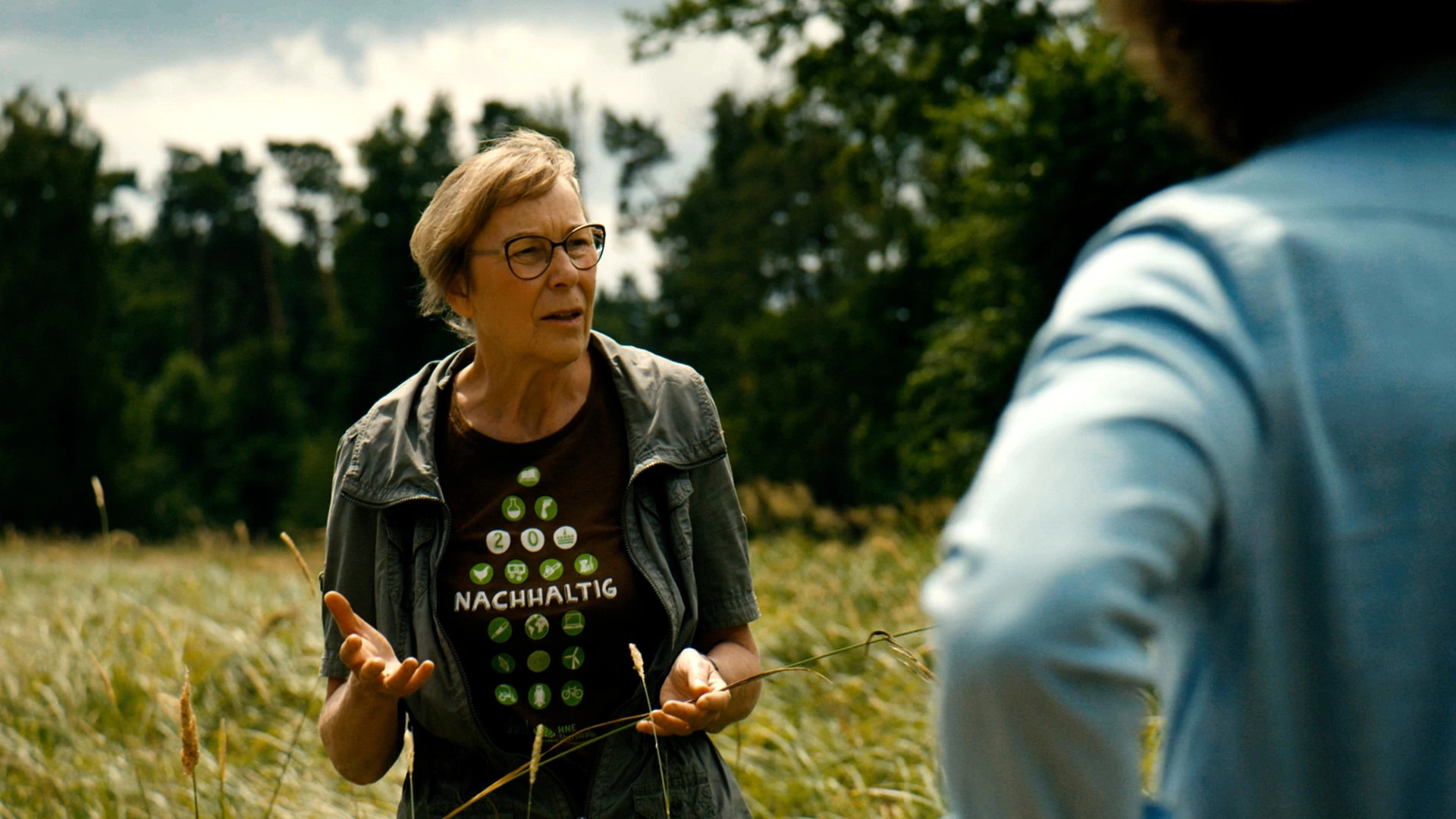
Terrathesis is a media project focusing on transformation processes in agriculture, the environment, and climate protection. It addresses topics such as peatland rewetting, water management, and sustainable land use, presenting them from a variety of perspectives.
 Podcast
 Video
Video
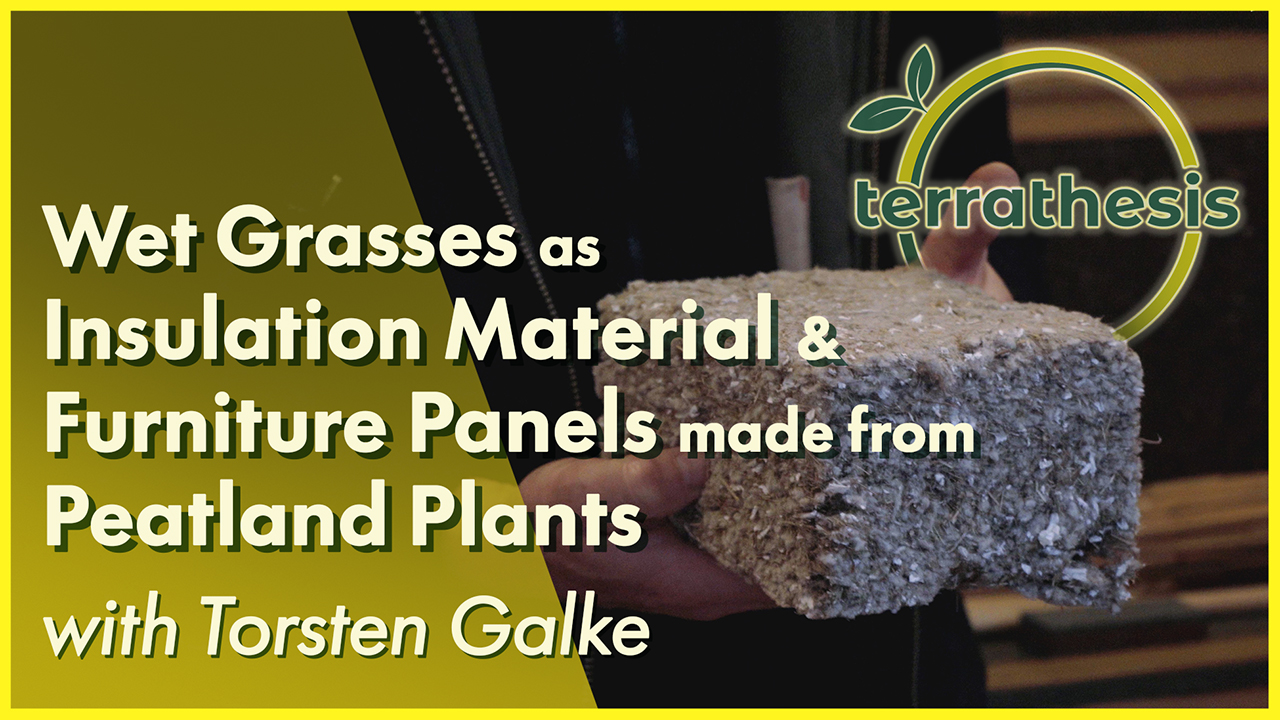
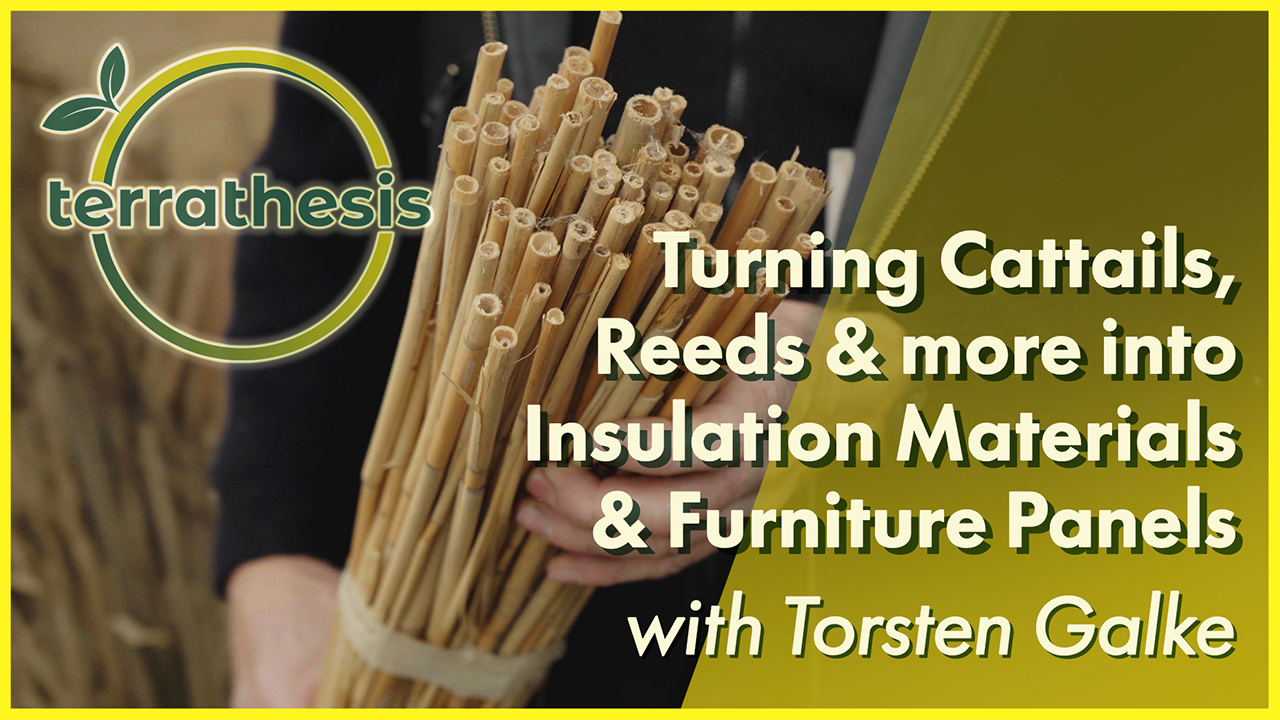
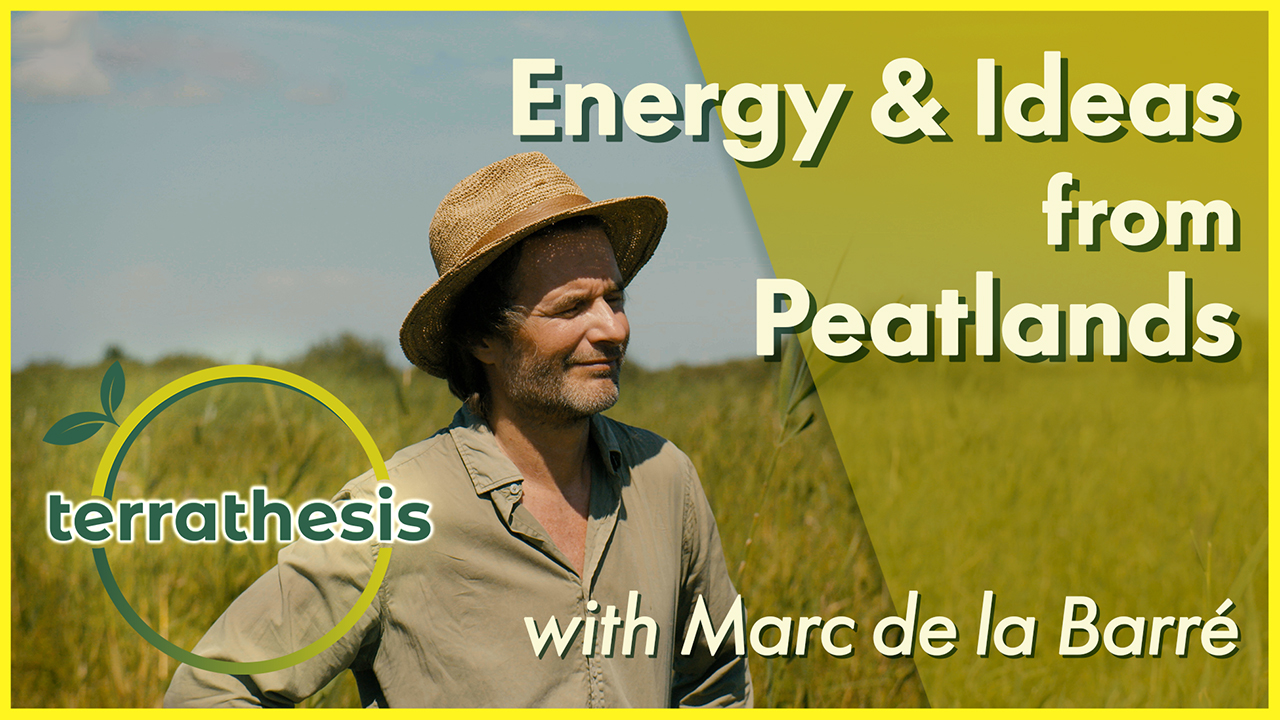
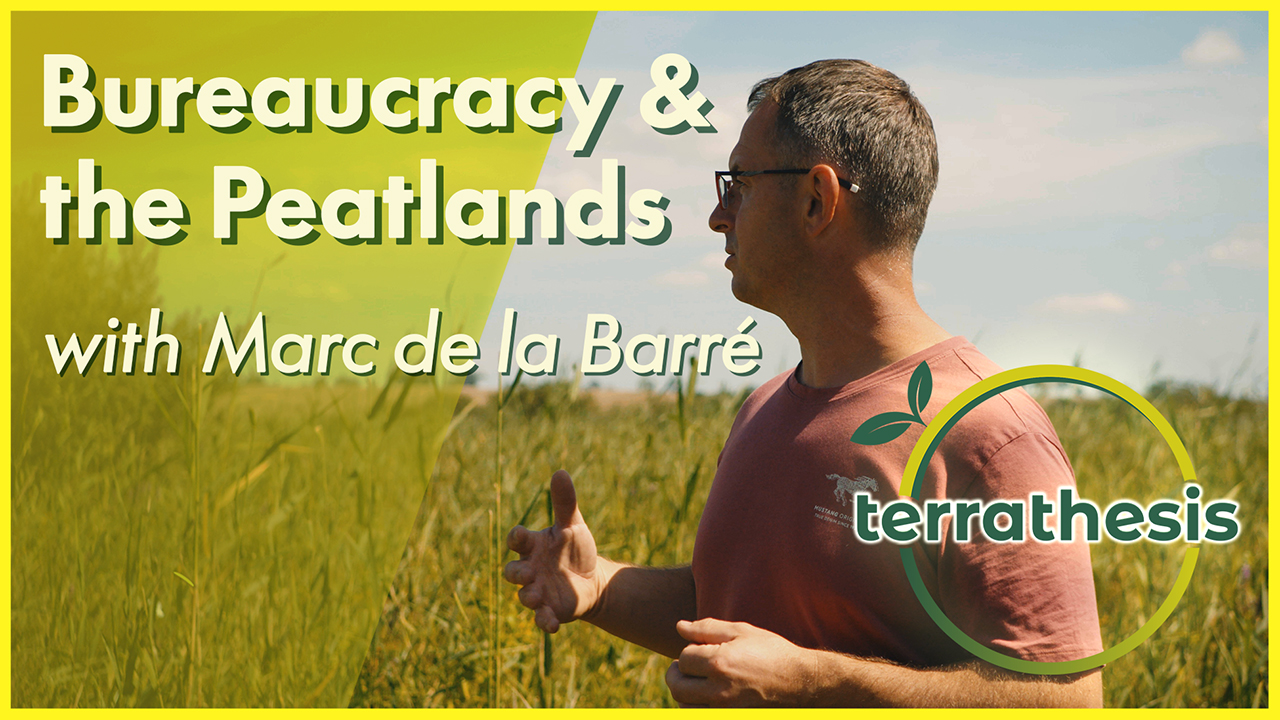
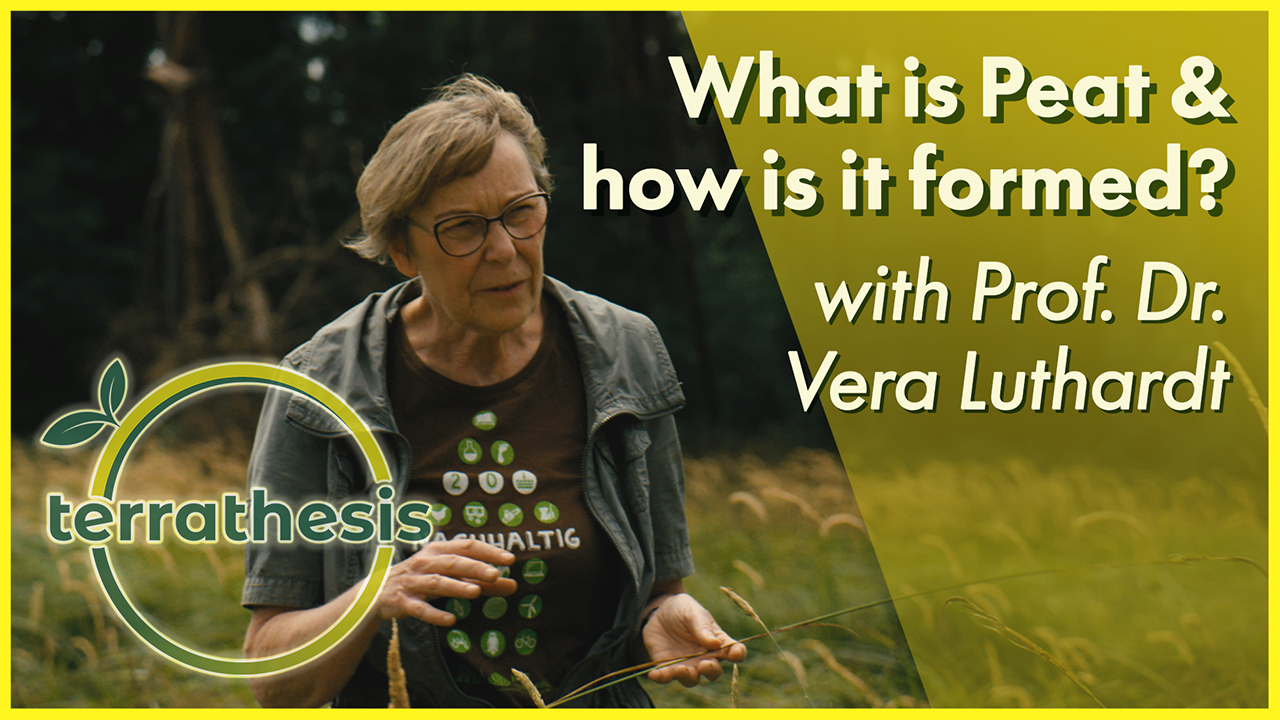
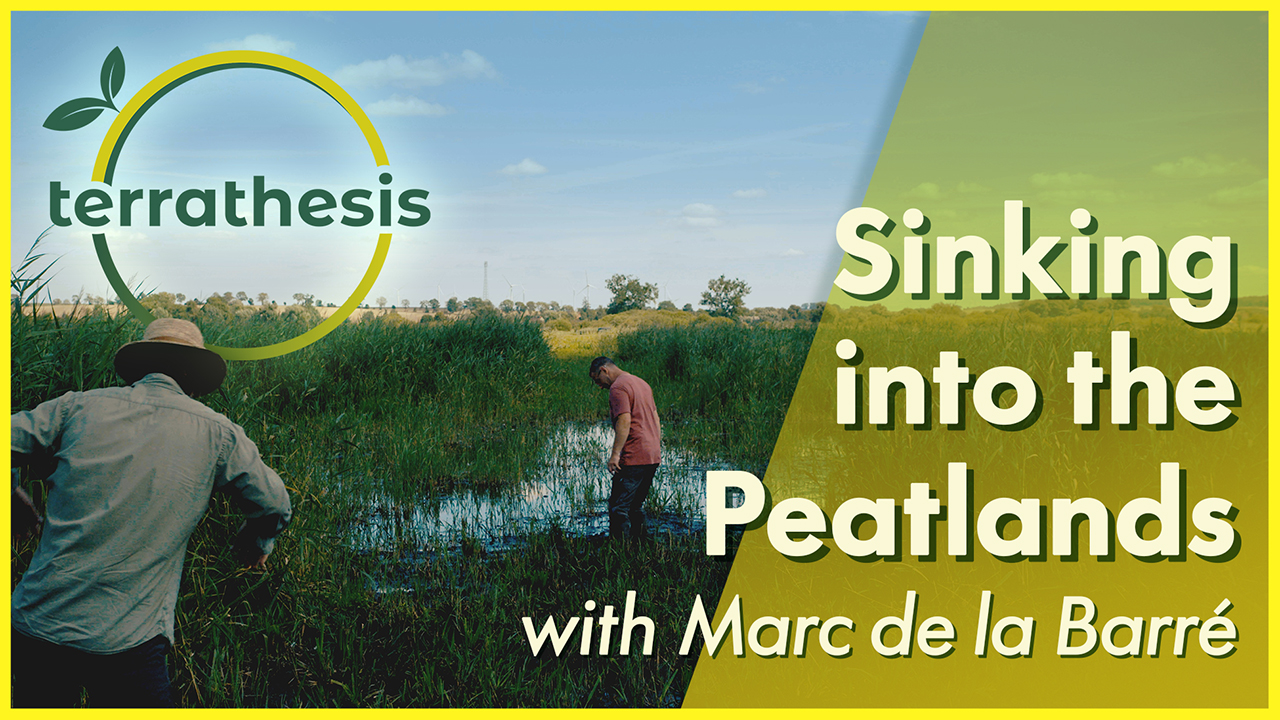
Current themes and formats
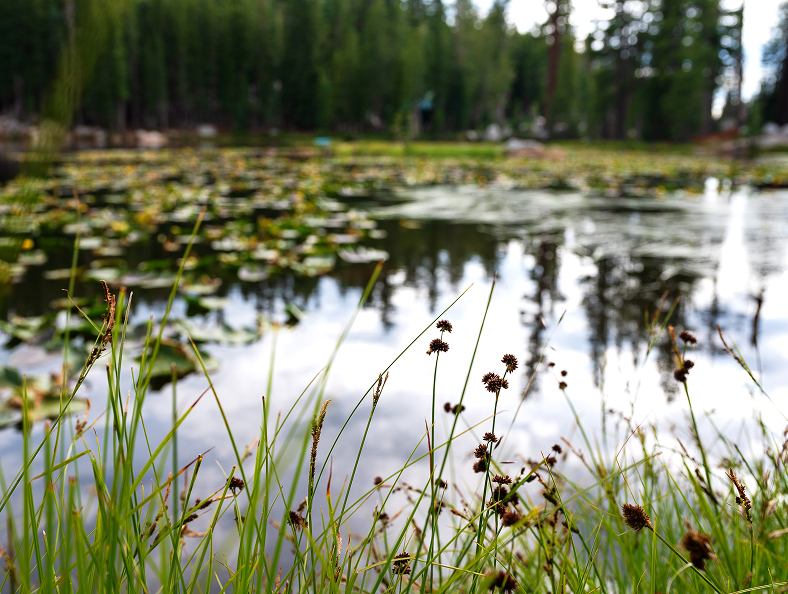
Peatlands
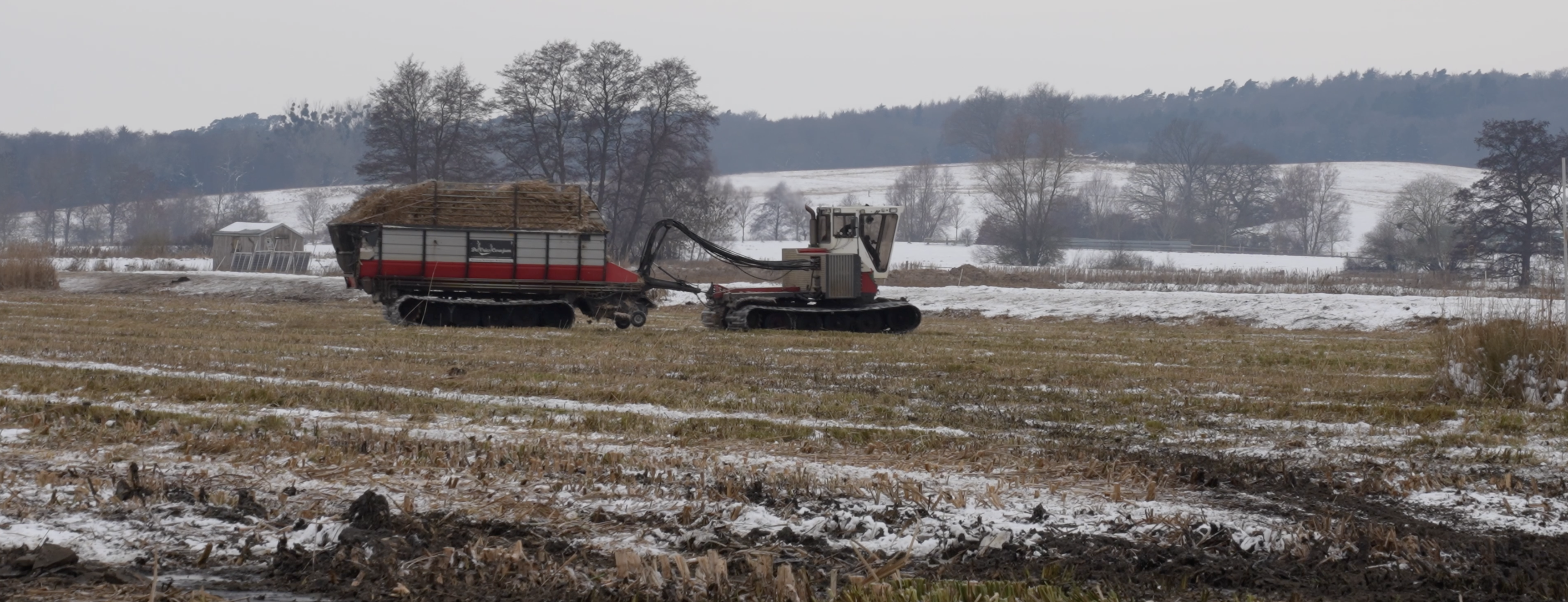
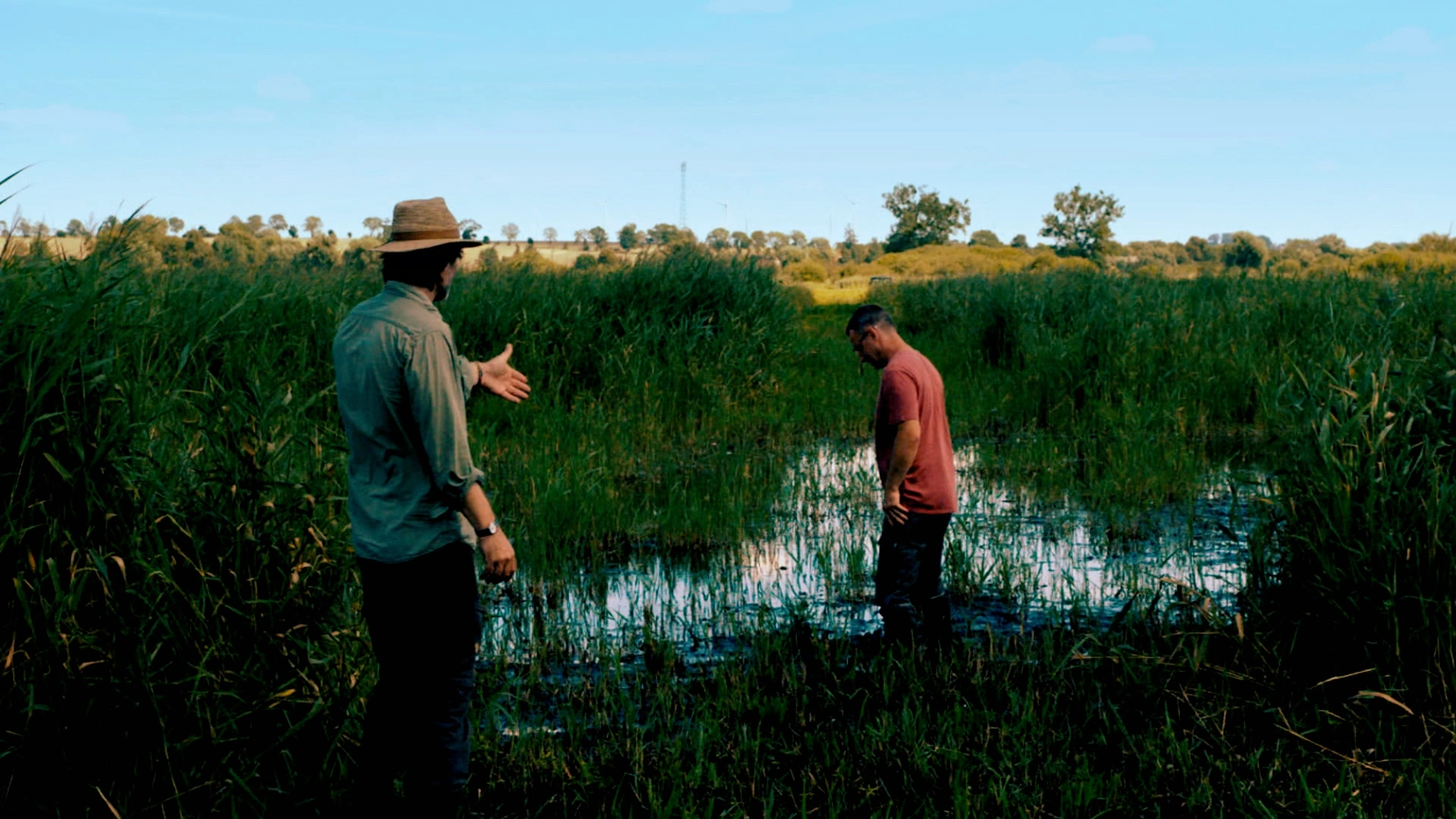
Peatlands are unique landscapes with great importance for climate, water, and biodiversity. They can store CO₂, regulate water, and provide habitats, making them vital for our future.
Contributing Practice Partners
Terrathesis thrives on collaboration with people and organisations from academia, professional practice, politics and civil society.
- Johannes Funke SPD Parliamentary Group in the Brandenburg State Parliament
- Leon Gehde Schleswig-Holstein Nature Conservation Foundation
- Maxie Grüter Institute for Food and Environmental Research (ILU e.V.)
- Anke Hermann Brandenburg Ministry of Agriculture and Food, Environment and Consumer Protection
- Susanne Hofmann-Souki Humboldt University of Berlin (Agricultural Economics) / Brochwitz GmbH
- Karla Jabben Otto GmbH & Co. KG
- Jens Kath Teaching Sheep Farm
- Lena Kolbow Berlin Senate / Brandenburg Farmers’ Association (LBV)
- Andreas Kraus Berlin Senate Department for Mobility, Transport, Climate Action and the Environment
- Lukas Landgraf Brandenburg State Office for the Environment
- Vera Luthardt Eberswalde University for Sustainable Development (HNEE)
- Peter Spathelf Eberswalde University for Sustainable Development (HNEE)
- Conny Mehl biota – Institute for Ecological Research and Planning GmbH
- Jennifer Merten NABU (Nature and Biodiversity Conservation Union)
- Stephan Reimann Water & Peatlands
- Roland Simon Forestry Office
- Martin Szaramowicz Brandenburg Land Agency
- Doris Triebsch Rural Women’s Association, Netzen Local Chapter
- Stephan Warnken Huxfeld Farm
- Elena Zydek Schleswig-Holstein Nature Conservation Foundation
- Ludwig Bork Agrotherm GmbH
- De la Barré de la Barré Rattan and Solid Wood Workshop
- Thorsten Galke Moor and More
- Patrick Gutjahr Friedrich Loeffler Institute – Federal Research Institute for Animal Health
- Thomas Hartmann tamen. Development Office for Work and the Environment
- Katja Hesse Brandenburg Economic Development Agency (WFBB)
- Sophie Hirschelmann Michael Succow Foundation / Greifswald Mire Centre
- Robert Jäkel Natur Konkret (Guido Leutenegger GmbH)
- Janina Löbel Brandenburg Economic Development Agency (WFBB)
- Juliane & Sebastian Petri Moorhofer Grassland Farm
- Lutz Rohland Bergwaldprojekt e.V. (Mountain Forest Project)
- Ivonne Schulz “Uckerseen” Water and Soil Association
- Robert Schulz Uckermark agrar Agricultural Cooperative
- Henrik Wendorff Brandenburg Farmers’ Association (LBV)
- Laura Wiegand Association for Technology and Structures in Agriculture (KTBL)


